
Why disasters don’t affect every employee the same way

by Eric Hollenbeck, Carson College of Business

Employee sitting at a desk with head down over a stack of papers, appearing stressed in a workplace setting.
Photo credit: stock.adobe.com – MINAE

When disasters strike—whether wildfire, earthquake, or pandemic—their effects ripple far beyond physical damage or public health concerns. For many employees, the aftermath of these events follows them into the workplace.

Research led by Washington State University’s Carson College of Business reveals that how employees respond to disasters may depend on how they perceive their social standing and how strongly they identify with their social class.

In a study published in the Journal of Business and Psychology, WSU associate professor of management Hana Johnson and her coauthors found that disasters can trigger stronger feelings of workplace anxiety and withdrawal among employees who strongly identify with a lower social class.

The research may help explain why crises can shape workplace behavior in ways that managers might not immediately recognize.
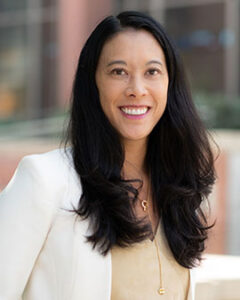
Headshot of Hana Johnson
Hana Johnson, associate professor of management, WSU Carson College of Business

When outside events spill into the workplace

Disasters often affect workers differently depending on their financial resources, job security, and access to support systems.

During the COVID-19 pandemic, for example, researchers noted 39 percent of lower-income workers lost their jobs compared to 13 percent of higher-income workers, highlighting how crises can deepen economic inequality.

Johnson said her team’s research was motivated in part by trying to understand how broader societal disruptions influence employee behavior inside organizations.

“One thing that I think is unique about the paper is looking at how disruptions outside of your work life can affect your work,” she said.

Social class, she explained, is often thought of as something that shapes life outside the workplace—but it can also influence how employees interpret stressful events and how they respond at work.

Understanding the research

To explore these dynamics, the researchers conducted multiple studies examining how people responded to disaster scenarios and real-world disruptions.

Across several experiments and surveys, including studies related to the COVID-19 pandemic and earthquake risk, researchers analyzed how disaster awareness, social class, and identity shaped emotional responses and workplace behavior.

Together, the findings indicate disasters can activate existing social identities in ways that influence how employees interpret their circumstances and cope with stress.

The role of identity in employee resiliency

One key finding from the study is that social class alone doesn’t tell the whole story. What matters more is how strongly employees identify with their social class.

According to Johnson, people who see lower social class as a central part of their identity are more likely to interpret stressful societal events—such as natural disasters—as evidence they are disadvantaged or being treated unfairly, particularly since these events often carry greater health and economic risks for lower-income individuals, which can trigger a powerful emotional response.

“Those feelings can increase anxiety about work and lead to withdrawal behaviors in the workplace,” said Johnson.

Instead of leaving their jobs, which for many workers is not an option, Johnson said employees may respond by distancing themselves from their work environment, such as avoiding interactions, disengaging from communication, or pulling back from workplace responsibilities.

“They can’t leave. They need the income,” she said. “So, they stay in the job, but what does that look like? It can show up as these avoidance behaviors.”

How leaders can support employees

For managers and organizational leaders, the research highlights the importance of understanding employees as individuals rather than assuming everyone experiences crises the same way. According to Johnson, the most practical step leaders can take is to maintain open communication and recognize that employees may need different types of support during times of distress.

“Trying to understand what’s important to them and leaving channels open for communication is key,” she said.

When employees feel comfortable discussing how external events affect them, leaders may be better able to recognize when someone is struggling and provide appropriate support.

The findings also suggest organizations may benefit from thinking carefully about how resources are distributed during crises.

Rather than treating all employees the same, Johnson recommends leaders prioritize support for workers who face the greatest disruptions or vulnerabilities.

“It’s not necessarily about giving something to one group and not another,” she said. “It may just be about the order or priority in which resources are allocated.”


Johnson, Hana H., Faith T. Keng-Highberger, Joshua T. Bates, and Elizabeth E. Umphress. “The ‘Haves’ and the ‘Have Nots’: Interactive Effect of Disaster Salience, Social Class, and Identity Centrality on Emotions and Workplace Avoidance.” Journal of Business and Psychology. 2025. doi.org/10.1007/s10869-025-10064-1.

Not All Workplace Gossip is Bad for Team Culture

by Eric Hollenbeck, Carson College of Business

Halftone collage illustration showing a mouth speaking into an ear with text "Blah, Blah, Blah," representing workplace gossip and informal communication.
Photo credit:  stock.adobe.comKrakenimages.com

Gossip in the workplace has long carried a bad reputation, often viewed as a distraction at best and corrosive to team culture at worst. But new research from Washington State University suggests that not all workplace gossip is the same—and some forms may actually improve relationships and cooperation on the job.

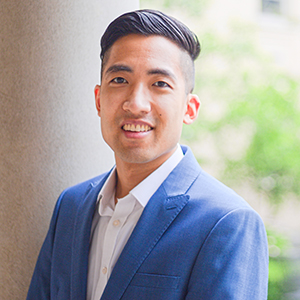
Headshot of Stephen Lee, assistant professor of management at Washington State University's Carson College of Business
Stephen Lee, assistant professor of management, Carson College of Business

According to new research published in Organizational Behavior and Human Decision Processes, coauthored by Stephen Lee, assistant professor of management in WSU’s Carson College of Business, the impact of gossip depends on what people are talking about and why.

Across three studies, the research identifies four distinct types of workplace gossip and examines how each one triggers different emotional reactions and behaviors among those who hear it.

“Most research has treated gossip as either positive or negative,” Lee said. “But that approach misses important differences in how people interpret gossip and how they respond to it.”

Lee collaborated on the study with Rui Zhong of Penn State’s Smeal College of Business and Yingxin Deng of the Beijing Institute of Technology School of Management.

Studying four types of gossip

The first of the three studies measured the types of gossip employees heard from a coworker and their emotional and behavioral responses over the span of two weeks. The second asked participants to recall specific workplace gossip incidents and report their emotional and behavioral responses. The third study used controlled scenarios that compared different types of gossip.

The researchers moved beyond the traditional positive-versus-negative distinction by sorting gossip into four types based on whether it was work-related or personal in nature, and whether it reflected positively or negatively on the person being discussed.

Two of the four types involved positive gossip:

  • Endorsement-based gossip: work-related praise shared behind someone’s back, such as highlighting a coworker’s strong performance or contributions.
  • Communion-based gossip: positive but not work-focused, often involving personal interests or stories that build social rapport, for example, talking with a colleague about another employee’s weekend volunteer work.

The other two types involved negative gossip:

  • Protection-based gossip: work-related and negative, but shared as a warning or “heads-up,” such as alerting a colleague about an unreliable manager or a pattern of problematic behavior that could affect their work.
  • Derogation-based gossip: negative and unrelated to job performance, such as sharing personal rumors or attacks on someone’s character.

Why reactions to gossip matter

Researchers further examined how people emotionally react when they receive each type of gossip—and how those reactions shape behavior. The analysis draws on moral emotions theory, which explains how people evaluate others’ actions as right or wrong and respond accordingly.

Protection-based gossip tended to spark gratitude, the researchers found. When people believed gossip was shared to protect or help them, they were more likely to respond by helping the gossiper in return, strengthening cooperation and goodwill.

By contrast, derogation-based gossip consistently triggered disgust, a moral emotion linked to avoidance. People who heard this kind of gossip were more likely to distance themselves from the gossiper, limit interactions, and avoid working with them altogether.

Positive gossip also produced distinct outcomes. Endorsement-based gossip led people to model the behavior and encouraged them to speak positively about others. Communion-based gossip fostered feelings of warmth and connection, increasing socializing and informal interaction at work.

“One of the big takeaways is that three of the four types we studied tend to produce prosocial outcomes,” Lee said. “The one that reliably backfires is gossip that seems aimed at tearing someone down.”

Takeaways for business leaders

Lee said the findings have clear implications for managers and organizational leaders, particularly those who try to eliminate gossip entirely.

“Telling employees ‘no gossip, ever’ isn’t realistic,” he said. “People are going to talk. The question is what kind of talk leaders encourage, model, or implicitly tolerate.”

Rather than banning gossip outright, the researchers suggest leaders could normalize and model positive, work-relevant praise, while actively discouraging gossip that targets individuals in non-work-related ways. Leaders can also pay attention to protection-based gossip as a potential early warning sign of deeper organizational problems.

“If people are repeatedly warning each other about the same issue, that’s often a signal that something needs to be addressed more directly,” Lee said. “Ignoring it can allow small problems to escalate.”

The research also highlights a misconception many people hold: that gossip only affects the reputation of the person being discussed. In reality, it often does more harm to the person doing the gossiping, Lee warns.

“People are constantly making judgments about whether they can trust you,” he said. “And engaging in derogation-based gossip can damage your own reputation just as much as anyone else’s.”


Zhong, Rui, Stephen H. Lee, and Yingxin Deng. “Not All Workplace Gossip Is Equal: A Moral-Emotions Perspective on How Gossip Type Shapes Recipients’ Reactions to Gossipers.” Organizational Behavior and Human Decision Processes 190 (2025): 104440. https://doi.org/10.1016/j.obhdp.2025.104440

A Message from the Dean

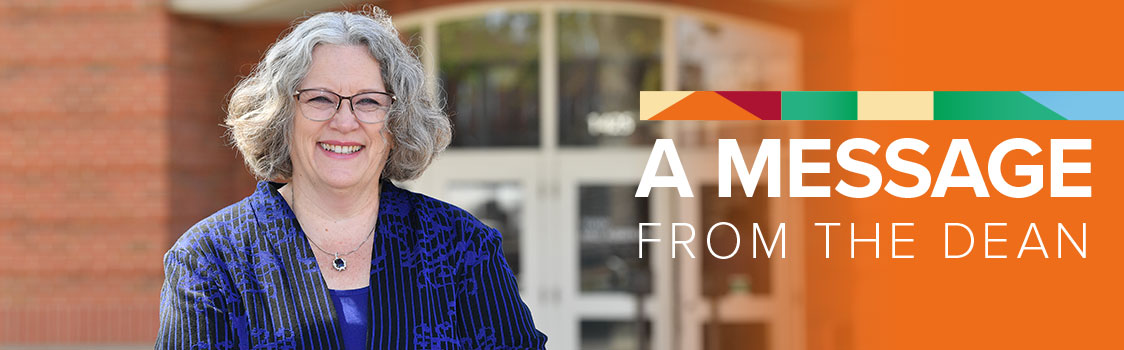
Debbie Compeau standing outdoors in front of a brick building entrance, wearing a patterned blue jacket and necklace. On the right side of the image, an orange banner displays the text “A Message From the Dean” with a colorful geometric accent above the text.
WSU Photo Services

Dear friends,

Our homecoming celebration last fall marked the 10-year anniversary of the naming of the Carson College of Business, and many of you joined us to mark the occasion. How did 10 years go by so fast? Well—time flies when you’re having fun and witnessing students transform into confident business leaders who will contribute to society.

It’s been two years since I accepted the position as interim dean and nearly one year since I was confirmed to the role permanently. It’s a fantastic and rewarding opportunity to lead the Carson College of Business into its next decade and advance insights on evolving business practices with the help of alumni, donors, friends, and industry professionals.

We’ve structured this issue to feature many examples of how your dedicated engagement supports us in building a stronger future for our students.

Our cover story highlights alumna Jamie Kern Lima, founder and CEO of IT Cosmetics, philanthropist, and best-selling author. Lima was our guest at the college graduation celebration in Todd Hall and the keynote speaker at the WSU Pullman spring commencement ceremony. As a first-generation entrepreneur with global success, Lima’s strong message of empowerment was important for our students to hear.

Over the past year, other successful entrepreneurs and industry leaders helped us shape students’ critical thinking about business. The wisdom and career advice of Jeff Kearl, venture capitalist and former executive chairman of Skullcandy Inc.; Burtenshaw Lecture speaker John Oppenheimer, Columbia Hospitality founder and chairman; Hoops Tax Institute Forum speaker, Rep. Ed Orcutt; and several industry panelists are showcased in this issue.

I’m excited to share stories illustrating the positive influence of industry mentors who develop students’ professional skills in the WSU Vancouver Carson Coaching program and through marketing internships in the Carson Career Amplifier program. You’ll also read about the recently launched One Hanford Leadership Academy at WSU Tri-Cities, where our faculty are helping mid-career Hanford contractors prepare to handle executive-level challenges as the Hanford cleanup project progresses.

The pathways you make possible by sharing your expertise, time, scholarship, and financial support help us sustain and grow the quality of a WSU business education. I’m proud to announce our Association to Advance Collegiate Schools of Business (AACSB) accreditation was recently renewed for another six years. Our accounting program is accredited separately by AACSB, and that accreditation also was renewed, thanks to the leadership of accounting department chair Bernie Wong-On-Wing, featured as the Ted Saldin Distinguished Professor.

The Carson College of Business is an amazing place to be, and I look forward to your future engagement as we drive toward our goal of being the first choice for students seeking a business education from a Pacific Northwest university.

Go Cougs!

Signature: Debbie Compeau

Debbie Compeau

Cover Story | From Underestimated to Unstoppable: Jamie Kern Lima Inspires Carson Grads

By Sue McMurray

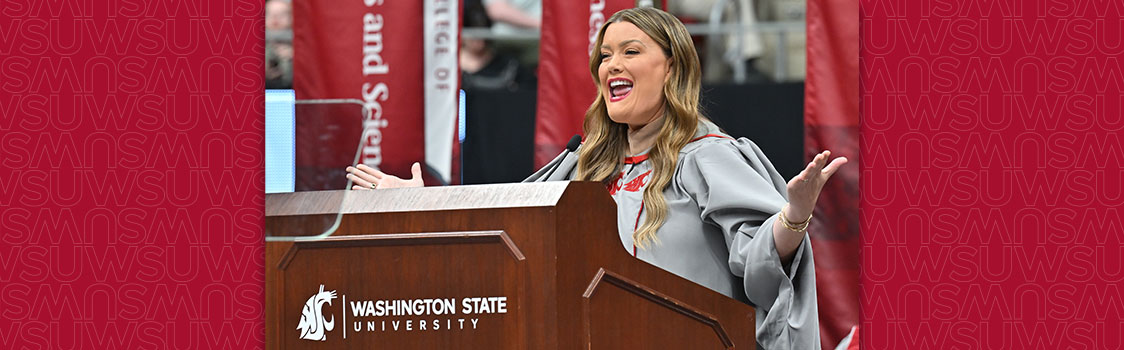
Alumna Jamie Kern Lima speaking at a podium during the Carson College spring commencement ceremony. The podium displays the Washington State University logo, and red banners with WSU branding are visible in the background.
Jamie Kern Lima urged students to dream big during her keynote address at spring 2025 commencement ceremonies in Pullman. WSU Photo Services

“Women won’t buy makeup products from someone who looks like you.”

It’s hard to believe alumna Jamie Kern Lima (’00 Busi. Admin.), a self-made cosmetics entrepreneur, philanthropist, and best-selling author, could have once been on the receiving end of these biting words.

During her keynote address at the Carson College spring commencement ceremony, Lima says she endured this and many other rejections before she became famous as the founder and CEO of IT Cosmetics, a makeup and skincare company she developed in her living room.

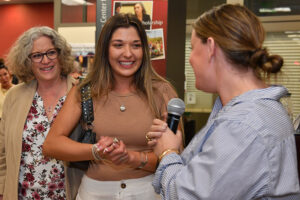
Jamie Kern Lima speaks into a microphone while surprising MJ Kunkle, winner of the 2025 Carson College Business Plan Competition grand prize, with a $15,000 match.
Jamie Kern Lima surprises MJ Kunkle (center), winner of the 2025 Carson College Business Plan Competition’s grand prize, with a $15,000 match.

“Jamie’s story is so important for our graduates to hear—stepping into the professional world for the first time, they struggle with self-doubt,” says Debbie Compeau, Carson dean. “Hearing from a first-generation entrepreneur like Jamie, who had those same doubts but persevered to become globally successful, was an extraordinary learning opportunity for our graduates.”

The day before commencement, Lima also attended the Carson College’s graduation celebration in Todd Hall, where she encouraged all of the graduates before surprising MJ Kunkle (’25 Entrep.), the $15,000 grand prize winner of the college’s Business Plan Competition, with a matching contribution. Kunkle and her teammate, James Harrison (’25 Finance, Accounting, Entrep.), developed Wearable Aromas, which is a solid, wax-based perfume inside a wearable locket.

“I believe in you MJ,” Lima said. “One day, I want you to come back and give $15,000 to another Coug.”

Tactics for navigating rejection and self-doubt

Lima’s remarks gave students a unique perspective on what it’s like to have your entrepreneurial venture rejected because of your appearance, not the value of your product.

Lima fought for years to get someone to believe in her cosmetic line. She battled an industry stereotype suggesting that people without fashion model measurements or perfect skin shouldn’t market beauty products. Lima suffers from rosacea, a chronic skin condition causing facial redness. She tried to hide it with makeup but couldn’t find anything that worked. She says she listened to an inner voice: “If you can’t find something that works for you, create it.”

She described other tactics that helped her overcome rejection. One of them is assigning a different meaning to the word. “I view rejection as ‘redirection,’” Lima says. “I also view rejection as God’s protection from further hurt.”

Another tactic is never letting someone else’s doubt get in your own head, she says. “If you didn’t get the job or opportunity you want, say to yourself, ‘I didn’t get it yet,’” she says.

Perseverance served Lima well. She kept working with cosmetic chemists to perfect her brand and hounding QVC for an opportunity to sell it. When she finally got a yes, she used models of all ages and sizes to demo the product and revealed her own skin issues on live TV. Her strategy paid off, as some of her products sold out within 10 minutes.

IT Cosmetics became the largest beauty brand in QVC history and a top-selling brand globally. Lima later sold it to L’Oréal for $1.2 billion. It was the largest US acquisition to date, making Lima the first woman to hold a CEO title in L’Oréal’s 108-year history. She was recently named to the Forbes list of America’s Most Successful Self-Made Women and was a guest shark on the business reality TV show, Shark Tank. Now Lima hosts the no. 1 self-improvement podcast, The Jamie Kern Lima Show.

Inspiration comes full circle

Today, through her books, podcasts, and speaking engagements, Lima is a role model to countless aspiring entrepreneurs and business professionals around the world. But she hasn’t forgotten her WSU roots and the business education that fostered her entrepreneurial spirit.

“Being at WSU is like coming home. When I walked into Todd Hall for the first time as an undergraduate, I had self-doubt but also big dreams and goals I dared to believe in,” Lima says. “When I met MJ, I saw my younger self reflected in her tenacity. I’m honored to support her and other Cougs who dare to dream big.”

Watch Lima’s keynote

Carson Coaching Program: A Ripple Effect of Success

By Sue McMurray

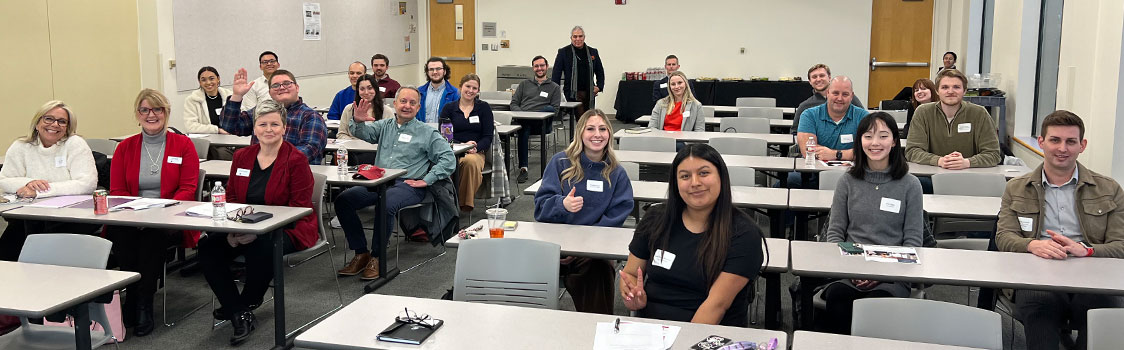
Group of participants seated at classroom-style tables during a Carson Coaching Program session. Name tags, notebooks, and drinks are visible on the tables, with a presenter standing at the back of the room.
The Carson Coaching program at WSU Vancouver benefits students’ professional development and provides socialization and personal support to facilitate their success in college and beyond. Courtesy WSU Vancouver

When industry professionals serve as judges, mentors, or coaches, it’s not just about giving back to their profession. It’s also about investing in the next generation of leaders and creating lasting impacts.

This philosophy is central to Juli Potts’s professional role at Johnson Bixby but also her personal life. Among other forms of service to the Carson College, Potts volunteers as a coach in the WSU Vancouver Carson Coaching program.

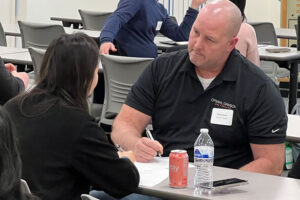
Coach Chuck Evers sits at a table during a coaching session, writing on a sheet of paper with a water bottle and beverage can in front of him.
Coach Chuck Evers working with a WSU Vancouver student.

Each spring, the program pairs interested students with volunteer mentors. It is a unique opportunity for business and pre-business students to receive one-on-one coaching from a seasoned professional in their desired industry. The coaching relationships benefit students’ professional development, providing socialization and personal support to facilitate success in college and beyond.

“At work, we call it ‘the ripple effect,’ where our efforts create a chain reaction that benefits our clients, team members, and community,” Potts says. “Coaching students in the local area, sharing my experiences, and offering insights into the profession are meaningful ways I contribute to this ripple effect.”

Coaching sessions lead to a growth mindset

Bart Rijmenams, a business administration major, met with Potts to learn more about the human resources field he’s planning to enter and to discuss HR topics such as benefits and hiring. Rijmenams also visited Potts’s office to learn more about company dynamics. He says he realized how deeply entangled HR is within a company’s values and how a positive leadership style can change the culture for the better.

“The most eye-opening thing for me was learning that patience and accepting people at different skill levels are an important state of mind if you want to be in HR,” Rijmenams says. “I am hoping to be part of a positive change within the HR construct wherever I go.”

Coaches help students find new confidence

Andy LaFrazia (’98 MBA), an Air Force veteran and retired general manager at Vexos-Controltek, began mentoring Carson students through WSU Vancouver’s Business Growth Mentor and Analysis Program (BG MAP) before serving on college advisory boards and in the coaching program.

“I encourage students to be active and work on their networking and communication skills,” LaFrazia says. “They need to be prepared for lifelong learning and not be intimidated by rapidly changing technology.”

LaFrazia recently coached David Goebel, a junior majoring in management information systems, who is planning a career in tech sales or data analytics. As an introvert, Goebel says the coaching sessions helped him gain confidence, connect with several industry professionals, and understand employer expectations.

“I’ve often preferred to work independently; however, through coaching, I realized the importance of self-promotion and the impact of strategic networking,” Goebel says. “Knowing the right people and understanding industry dynamics can be just as crucial as technical qualifications.”

Coach Amy Ott (’91 Poli. Sci.), business and workforce education director for the Greater Vancouver Chamber, was also motivated to get involved with the Carson College after witnessing the value of the BG MAP program in southwest Washington. She strives to offer the support she wishes she’d had early in her career.

“The gaps I’m seeing in students’ professional development are a lack of understanding of how to make professional connections and lack of participation in career-related internships or paid employment,” Ott says.

Active listening, role playing, job shadowing, and case studies on empathy are some of Ott’s strategies. She also helps mentees refine their social media profiles and professional demeanor.

Her mentee, Nishita Naresh, a hospitality business management major who wants to open her own business, says Ott helped her improve her résumé so that it appeals to hiring managers and gets past the initial AI scan some companies are using.

“I was surprised to learn my résumé format was completely incorrect,” Naresh says. “We spent about two hours digging through each section. Amy explained the importance of tailoring your résumé toward the job you want.”

Mentee Kiersten Brightbill pays it forward

For Kiersten Brightbill (’24 Accounting, Finance), participating in multiple coaching sessions was a great opportunity to build her networking skills while attending WSU Vancouver virtually during COVID-19.

“At the time, I didn’t know any business professionals, and it was difficult to meet them without in-person networking events,” she says. “I was also looking for career path guidance, because I was trying to decide between majoring in accounting or finance and wasn’t sure which would be a better fit for me.”

Her coaches, one of whom was Tony Andrade, a partner at Moss Adams in Portland, helped her determine that accounting was the right path. He says his goal is to provide students with a better understanding of their career paths, what an employer is looking for, and to remove some of the uncertainty or anxiety related to job hunting.

After seeing how beneficial it was to have a mentor during the first few years of college, Brightbill mentored a few students herself as a teaching assistant and Beta Alpha Psi officer.

“Becoming a mentor was an awesome, full-circle moment,” she says, “and my experience with the Carson Coaching program helped launch my career.”


To learn more about the Carson Coaching Program, please contact van.cb@wsu.edu or 360-546-9750.

Headshot of Juli Potts
Juli Potts
Headshot of Andy LaFrazia.
Andy LaFrazia
Headshot of Amy Tanska.
Amy Ott
Headshot of Chuck Evers.
Chuck Evers
Headshot of Tony Andrade.
Tony Andrade

Publishing Internship Helps Business Students Edit Their Professional Skills

By Sue McMurray

Person seated in a gray chair typing on a laptop, viewed from above. To the left, colorful hand-drawn icons surround the word “INTERNSHIP,” including a lightbulb, chat bubbles, magnifying glass, graduation cap, and book, symbolizing learning and professional development.

Before meeting former Fortune 500 marketing executive and author Deb Miller, marketing students Julianna Topper and Kylie Moore, who aspire to have marketing careers in professional sports, had never considered doing an internship in the publishing industry. Neither had Evin Harvey, a marketing/entrepreneurship major, who dreams of becoming a marketing director for a large-scale business.

But sometimes opportunities that seem unrelatable at first glance carry unforeseen rewards.

As an adjunct professor who teaches MBA marketing courses for the Carson College, Miller was already familiar with the creativity and digital agility of Carson students. She had a clear vision for the promotion of her new book Forget the Fairy Tale and Find Your Happiness but needed hands-on help setting up accounts, creating graphics, and mastering the mechanics of social media.

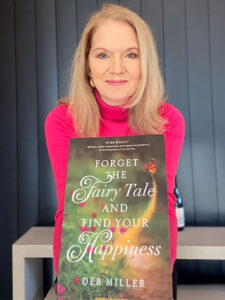
Deb Miller holds her book titled “Forget the Fairy Tale and Find Your Happiness” in front of a dark paneled background.
Adjunct Professor Deb Miller worked with the Carson Center to create interships that allowed students to hone their marketing skills in the publishing industry. Courtesy Deb Miller

“I saw WSU students as the perfect fit—not only to assist with execution but also to bring innovative perspectives to the process,” she says.

Miller worked with Michelle Chapman, retired assistant directorfor student engagement and career development in the Carson Center, to create six short-term “micro” internships focusing on the book’s digital strategy, content creation and pre-sale engagement, launch day execution, and assessment.

When Topper, Moore, and Harvey learned about micro internships, they were intrigued. The internships would not only allow them to hone their marketing skills in an unfamiliar industry but also fulfill the Carson Career Amplifier program high impact learning experience requirement. Amplifier supplements classroom learning with career experiences such as internships, global learning, and hands-on projects.

Marketing majors Amanda Roskelley, Lucinda Wing, and Gurleen Kaur held the other three internships. All of the interns’ work was staggered over the fall, winter, and spring terms and aligned with different phases of the book’s pre-launch marketing strategy. The book is now available anywhere books are sold.

“Students’ responsibilities were tailored to their individual strengths and interests,” Miller says. “Each brought a unique perspective, and I loved hearing their insights after reading my book. Their interpretations and creative input have been invaluable to shaping the marketing strategy.”

Interns reflect on the value of the experience

“As a senior I was looking for ways to build my résumé and professional skills,” Harvey says. “I thought this internship was a great way to develop and apply my marketing skills in a real-world setting.” She and Miller worked together to create a detailed foundation for the overall internship experience.

Harvey worked on strategic digital planning and early promotion, developing Google documents to track deadlines, internship activities, and onboarding of other interns. She also shadowed with Miller’s daughter, a Google marketing researcher. Harvey says the best thing about the internship was learning the ins and outs of Google, working with business professionals, and networking.

Topper worked as a content creation and pre-sale engagement intern to create appealing, branded posts primarily for Instagram and other social media platforms, including TikTok. She assisted in official branding concepts for the book, building book playlist templates, and designing pre-order giveaways. She says she took time to research the industry and how analytics and engagement would differ from other social media accounts and industries she’s worked in.

“Working in an industry I had not considered previously was challenging,” Topper says. “I aspire to be a social media and branding manager for an NFL team, and this experience allows me to prove I not only know how to design for social media but also develop engagement metrics as well.”

Moore applied for the internship to build career connections and develop her interest in marketing. She says her dream job is to work as a marketing professional for the Seattle Mariners.

Moore’s duties focused on outreach to local libraries, bookstores, and book clubs. She says one thing that surprised her was the value of AI technology in developing lists of libraries and contact information in cities where Miller has lived so she could reach out to them about carrying the book. Moore also helped build and manage a Facebook profile for the book.

“The most valuable skill I gained was knowing the importance of clear and professional email communication,” Moore says. “As a freshman, I hadn’t had much experience using Outlook, but this internship allowed me to develop essential communication skills that are crucial in the business world.”

Collaborative partnership facilitates long-term benefits

Miller worked to create a mentoring environment where students felt comfortable sharing ideas, and they rose to the occasion. She was amazed at how much they juggled—full-time coursework, part-time jobs, extracurriculars, and this internship—yet showed up fully engaged and ready to contribute.

“This collaboration has been a true partnership, and I deeply appreciate the energy, enthusiasm, and fresh thinking they brought to the table,” Miller says.

She says she would be happy to support students beyond the internships, whether through career advice, professional connections, or as a professional reference.

“Beyond networking, students gained hands-on marketing experience they can add to their résumés,” Miller says. “They also took away some life lessons—several interns have left reviews on Goodreads saying, ‘Every woman should read this book.’ That, to me, is incredibly meaningful.”

Columbia Hospitality’s John Oppenheimer Shares Leadership Insights

By Sue McMurray

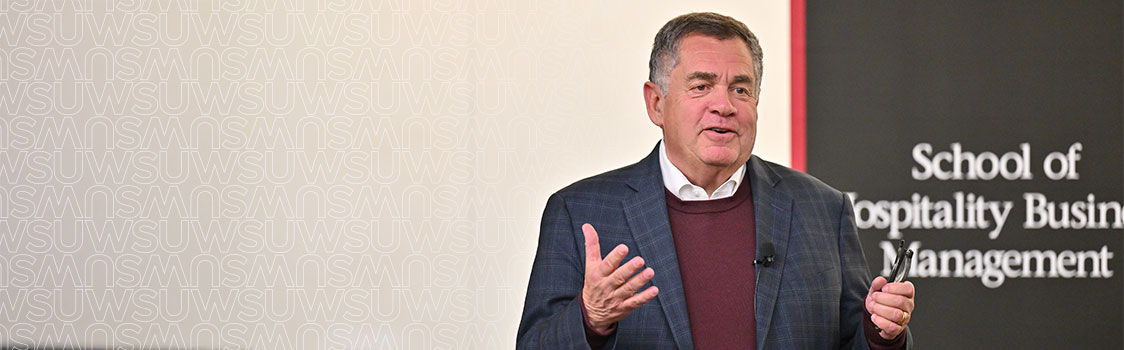
John Oppenheimer giving a presentation in front of a wall with repeated WSU branding and a black panel displaying the text “School of Hospitality Business Management.” The individual is wearing a dark plaid jacket over a maroon sweater and holding a presentation remote.
WSU Photo Services

If you ask Columbia Hospitality founder and chairman John Oppenheimer, there’s no better time to be in the hospitality business in Washington state.

He backed that sentiment with data during his keynote at the Burtenshaw Lecture, an annual event in which hospitality executives share career insights and advice with WSU students and the public.

Referencing the Smith Travel Research Report, a leading source of data analytics for the hospitality industry, Oppenheimer says visitors to Washington have risen 5.6 percent since 2019 and are spending 5 percent more statewide. The average daily rate in a number of markets is up, and guests to the US spent more than $777 billion in 2024, predicted to increase by $30 billion in 2025, according to the report.

“This data is one of the reasons to be so enthusiastic about hospitality,” he says. “This industry is growing and thriving. It’s fun, strategic, and important.”

Important lessons for success

Besides the positive numbers or the promise of them, Oppenheimer, who started in hospitality as a skycap at the Boise Airport, says hospitality matters because of the people who make up the workforce. He shared a couple of examples of talent—or lack of it, that he’s seen make a difference in people’s lives and careers.

Oppenheimer recalled a time during Columbia Hospitality’s management of Cedarbrook Lodge when a woman arrived to check in. The front desk agent noticed she was a bit frazzled and asked how he could help.

The woman explained she had the biggest interview of her life the next day and had forgotten her dress socks. After checking her in and sending a bottle of cabernet to her room, the agent asked a security guard to watch the front desk while he slipped out to buy socks. When the guest woke up the next day, there were 12 pairs of socks in different colors waiting for her.

“Those are the kinds of stories we get to create,” Oppenheimer says. “How we treat each other is part of the magic of what we do.

At Columbia, we talk about how we can create at least two stories a day—one for your colleagues and at least one for your guests to make their day more pleasant.”

Oppenheimer says he looks for massive enthusiasm and positive energy when hiring employees. He shares a story about his friend Jim, a president of a big hotel company.

According to Oppenheimer, Jim is in a long line of guests checking into the MGM Grand hotel in Las Vegas. When he reaches the front desk, the agent doesn’t welcome him or even look up—just asks for his license and credit card.

“Is this where you say, ‘Welcome to the MGM; we’re so glad you’re here?’” Jim asks.

The agent still doesn’t look up and replies, “Credit card, driver’s license; we’ve got a lot of people behind you.”

The next day, Jim is interviewing students at a nearby university career fair. The first student to walk in—wearing a crisp suit and an enthusiastic smile—is the MGM front desk agent from the night before.

“Hi,” Jim says. “This is going to be very short. You had your interview last night when you checked me into the MGM.’”

For Oppenheimer, this story illustrates that a successful hospitality industry is really only its people.

“Having an attitude of ‘man I love to work here!’ becomes transparent to guests,” he says.

Leadership practices that work

Oppenheimer founded Columbia Hospitality in 1995. Today it operates more than 100 properties in 9 states, including hotels, resorts, residential communities, golf courses, distinctive venues, restaurants, bars, and spas. Under his leadership, the company has earned many awards, including the 2024 Puget Sound Business Journal’s Fastest Growing Companies in Washington State and Washington’s Best Workplaces.

In an industry known for high turnover, Oppenheimer says it’s important to create a strong organizational culture to retain top talent. One of his tactics is mixing up teams at different locations to demonstrate the company’s culture. Another is using Beekeeper, an app that allows team members to see the work happening across properties but also share personal success stories. He’s also hired a team to incorporate AI into business operations.

Oppenheimer’s leadership style includes delegating and often celebrating large and small successes. He adds personal touches such as calling employees on their birthdays. Keeping culture and values alive as a company grows is a team sport, he says. He also reads every negative review monthly.

When COVID-19 disrupted the industry and caused layoffs, Columbia Hospitality coped by creating the Columbia Cares Foundation, a grant program to help team members facing hardships and unforeseen emergency circumstances. Oppenheimer also saw a need to diversify the company’s portfolio and subsequently became involved in the Home Owners Association management business, expanding Columbia’s scope of management from 2 buildings to 19.

“I’m not a big believer in 5- or 10-year plans, but rather I look for the right opportunities that add value,” Oppenheimer says. “The advice I would give aspiring hospitality business owners is to act with urgency, have a ‘yes’ mentality, and have consistent customer service across properties.”

Jeff Kearl Shares Hard-Earned Lessons with Future Entrepreneurs

By Scott Jackson

Jeff Kearl giving the keynote address at a podium during the 2025 Business Plan Competition.
WSU Photo Services

Jeff Kearl’s first company, launched during the tech boom of the late 1990s, grew rapidly before collapsing in the 2000 dot-com crash. But he powered through adversity to build an impressive portfolio of investments in the tech and start-up world, making him the perfect fit to deliver the keynote address at the WSU Center for Entrepreneurship’s 2025 Business Plan Competition in April. A veteran entrepreneur, venture capitalist, and former executive chairman of Skullcandy Inc., Kearl shared the experiences, lessons, and philosophies that shaped his career.

Now a partner at Pelion Venture Partners, Kearl encourages others to embrace the opportunities and challenges of entrepreneurship with creativity, resilience, and clarity of vision.

Judges from a broad sampling of industries awarded more than $61,000 in prizes to college and high school teams during the competition’s awards banquet, but the evening was not just about awards—it was about celebrating the spirit of entrepreneurship. Through his keynote, Kearl urged students to dream big, build deliberately, and learn from every step of the journey, just as he has done.

Mentorship matters

Reflecting on his own path, Kearl emphasized the enduring impact mentors can have on a young entrepreneur’s life. As a student, he benefitted from a professor who not only encouraged him but later became the first investor in his early business ventures. That support gave him the confidence to take risks, learn from mistakes, and persist through challenges. Later, Kearl says that same kind of support from leaders in his industry, including figures like legendary venture capitalist Bob Kagle, helped shape his trajectory toward the success he enjoys today.

He encouraged attendees to seek opportunities to work under leaders who genuinely care about developing others. Kearl says it’s important for developing professionals to seek out work with mentorship opportunities, even if it’s the lower paying offer.

He also urged current professionals to invest their time in mentoring promising talent working under them: “Your job is to get a couple of these people believing in themselves—it starts with you,” he says.

Drawing from his own experience both as a mentee and later as a leader, Kearl underscored that mentorship is one of the most powerful ways to make a lasting impact on someone’s career.

Success is not a straight line

Kearl was candid about the ups and downs he experienced on the road to success. After his first company collapsed, the painful experience of laying off employees and seeing a dream falter left lasting impressions.

I’ve had what you would call financial success—but success does not happen in a straight line. It is not linear,” he says. “When you have setbacks, you should know that it’s an experience. It is not permanent; you can learn from this moment and be better next time.”

Rather than viewing failure as the end of the journey, Kearl encouraged students to see it as part of the process. Many successful entrepreneurs, he noted, experienced failures early on, but those experiences often led to deeper knowledge and better decision-making. Venture capitalists, he says, often value founders who have weathered a failure or two, because introspective entrepreneurs come back stronger.

“Just know that if you feel a moment at age 24 when things aren’t going quite right, it doesn’t mean things are going off the tracks,” he says. “You are still on the path to success.”

Vision fuels entrepreneurial success

While resilience is crucial, Kearl stressed that vision is what ultimately drives success. Entrepreneurship, he says, is not just about reacting to circumstances— it is about imagining and building something uniquely valuable.

“The beautiful part about entrepreneurship is it really is the act of creating the dream,” he says. “You visualize it first in your head, you dream what it can be, and then you put the pieces in place to make it happen.”

Kearl likened entrepreneurship to building from an architectural plan—the clearer the vision, the more effectively others can help execute it. Successful entrepreneurs not only dream vividly but also communicate that vision with precision to employees, investors, and customers. Early-stage entrepreneurs often operate under tight constraints—limited resources, no established teams, and little outside support. But those who can clearly articulate what they are building, and why, are better positioned to attract the help they need to grow.

“Even if you took away the financial reward, the satisfaction you get when you take something from nothing, put it into the world, and other people find value in it is deep,” he says.

Kearl also emphasized that assembling the right team is part of realizing a vision. Culture, values, and teamwork are not accidental; they must be intentionally built from the start.

“A big part of this is just putting this collection of people together, helping them understand your vision with deep clarity, and then managing the execution toward it. That’s the entire recipe,” he says. “You can create great economic success, but more importantly, you can create great life memories with the people who did the building with you.”


To engage with the Business Plan Competition, email Marie Mayes m.mayes@wsu.edu.

WSU Tri-Cities One Hanford Leadership Academy Fuels Agency Training

By Sue McMurray

Green-tinted photo of industrial buildings and structures behind a chain-link fence, overlaid with a white banner displaying the One Hanford logo and text.

Thirty-five years after its final chemical plant shutdown, the Hanford Site remains one of the largest environmental cleanup projects in the US. Much cleanup progress has been made, and the site is preparing to treat roughly 56 million gallons of nuclear waste in underground tanks.

Effective collaboration with stakeholders, including local communities, is essential. Hanford teams will require strong leadership skills to make informed decisions about cleanup methods, timelines, and community involvement to ensure efforts align with the needs and concerns of all parties involved.

There is arguably no better resource than WSU Tri-Cities, Hanford’s backyard neighbor, for this critical leadership training.

WSU Tri-Cities has always had a strong connection to Hanford, beginning with the opening of the General Electric School of Nuclear Engineering in 1946. Over time, the campus has been actively engaged with Hanford through various partnerships and projects benefiting students and the community.

Launching the One Hanford Leadership Academy through Cougar Tracks, a WSU Tri-Cities continuing education program, was a natural fit.

WSU and Hanford collaborate on curriculum

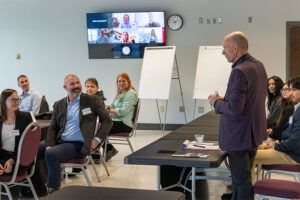
A speaker addresses participants seated around tables during the Tri-Cities One Hanford Leadership Academy, with flip charts and a video conference displayed on a wall monitor.
Hanford mid-career contractors learn executive-level management skills at the Hanford Leadership Academy offered at WSU Tri-Cities through the Cougar Tracks program. Courtesy WSU Tri-Cities

WSU Tri-Cities retired business Professor Joan Giese—then-director of Cougar Tracks—spent six months collaborating with the US Department of Energy Hanford Field Office and Hanford contractors to develop the program.

“It took diligent planning and execution by all parties—our collaboration was on steroids,” Giese says. “This is a unique program featuring our very best faculty experts on management topics directly applicable to the work of current and future Hanford contractors.”

Tom Tripp, Carson College of Business senior associate dean for academic affairs, developed curriculum and serves as an instructor and management expert for the academy.

“The academy is the type of partnership that epitomizes WSU’s land-grant mission to provide expertise that helps citizens and businesses of Washington state,” Tripp says. “I’m excited to offer my experience on the psychology of workplace conflict to help Hanford managers prepare for executive leadership.

”The year-long academy started in January, preparing 15 mid-career Hanford contractors to handle challenges C-suite executives face. Six Carson College faculty lead sessions on the following topics:

  • Building trust, led by Professor Tom Tripp
  • Communication and persuasion, led by Associate Professor (Career Track) Chris Cooney
  • Teamwork and collaboration, led by Professor Jeremy Beus
  • Negotiation and managing conflict, led by Professor Kristine Kuhn
  • Culture and change management, led by Associate Professor Leah Sheppard
  • One Hanford positioning and messaging, led by Professor Andrew Perkins
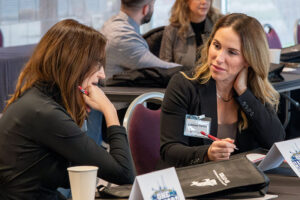
Two participants seated at a table during the Tri-Cities One Hanford Leadership Academy, engaged in discussion with notebooks and event materials in front of them.
Hanford Academy participants in the classroom. Courtesy WSU Tri-Cities

The sessions are separated by project workshops, where participants work alongside facilitators Wade Larson, WSU Global Campus professor, and Doug Steck, WSU Vancouver executive in residence. There are no exams; each participant applies the skills developed in the sessions to complete a project.

“Key takeaways for me were the importance of communication and understanding your own values as a leader,” says participant Garrett Knutson, ES&H director at Navarro-ATL. “With a strengthened network of peers and enhanced skill set, I am better equipped to contribute to the success of the Hanford mission.”

Participant Casey DeGroof, Hanford Mission Integration Solutions deputy vice president of safeguards, security, and emergency response, says the training on building organizational trust, establishing fair practices, and addressing factors contributing to political conflict are foundational to achieving success across Hanford.

“This opportunity is not just about building or reinforcing our leadership skills—it’s about teamwork,” she says. “Understanding how we are all aligned to the same mission is critical to making the best decisions for site remediation, protection strategies, and long-term safety of our community.”

Ensuring a better future

The faculty are excited to help solve challenges and uncertainties Hanford contractors face.

“Using evidence-based strategies to help people working in organizations and facing real-world problems is one of the best parts of my job,” Sheppard says.

“The Hanford Site team is doing essential work to ensure future generations in Washington state live in a safe and thriving environment. They are deeply committed to that mission, and each is personally committed to achieving a shared vision,” Cooney says. “It is an honor and privilege to play a role in helping them work together to achieve their goals.”

Michelle Hrycauk Nassif, the current director of Cougar Tracks, says the university is cultivating a workforce that will not only excel within the Hanford ecosystem but also drive economic and technological growth in the Tri-Cities region.

“Our Cougar Tracks programs are designed with industry collaboration at their core, ensuring we not only meet but anticipate the workforce development needs of STEM-driven enterprises,” Hrycauk Nassif says. “The One Hanford Leadership Academy exemplifies this partnership, leveraging the strength of our research expertise and our innovative learning programs to prepare mid-level managers for transformative leadership roles.”

The academy’s organizers hope to welcome a new set of cohorts each year.

“Hanford is one of three nuclear research and development sites in the US that comprised the Manhattan Project during World War II,” Tripp says. “As a potential outcome, we would love to see the One Hanford Leadership Academy expand to the other Manhattan Project sites in Los Alamos, New Mexico, and Oak Ridge, Tennessee.”

Rep. Ed Orcutt Discusses Washington State Tax Breaks at Hoops Tax Forum

By Sue McMurray

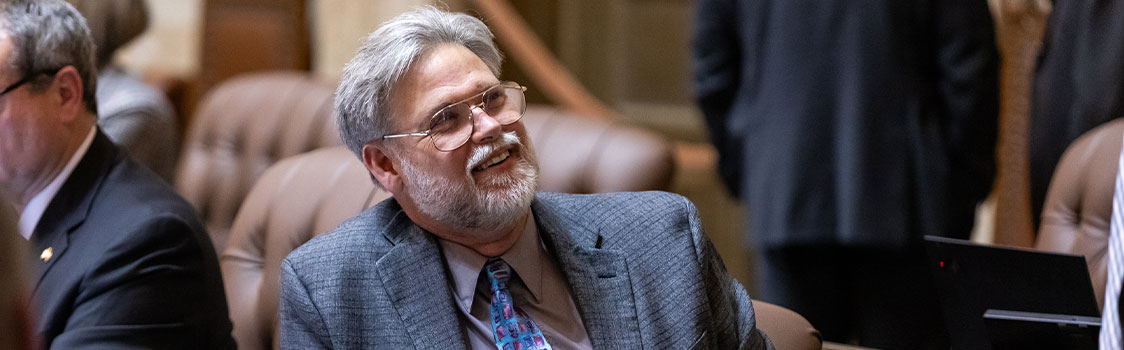
Representative Ed Orcutt seated in a legislative chamber, wearing a gray patterned suit and colorful tie. Other attendees and leather chairs are visible in the background, along with a laptop on a desk.
Courtesy Washington State House of Representatives

When Rep. Ed Orcutt gave the fall 2024 Hoops Tax Forum keynote, his opening statement perfectly captured the purpose of the event and the mission of the Hoops Tax Institute at the Carson College of Business.

“I’m not here to tell you what to think on tax policy but to give you background and insights as you develop your own thoughts on a particular tax policy,” Orcutt says.

Featuring diverse, professional insights of top tax experts and legislative leaders is a hallmark of the Hoops Tax Institute.

Institute Director Jeff Gramlich says the tax forum helps students, faculty, and the community learn about taxation, government regulation, and the value of voting. Attending the forum is a great avenue for students to develop critical thinking and prepare for the workforce, he says.

Orcutt shares professional and personal insights on Washington’s tax system

In the Washington State House of Representatives, Orcutt represents the 20th District and is the ranking Republican on the House Finance Committee. He’s known to champion tax incentives to spur business in Washington state communities.

Orcutt has been a forestry consultant since 1990 and owns a forestry consulting company. He serves on the House Agriculture and Natural Resources Committee and relies on his forestry background to guide his decisions on matters of forest policy. He also serves on the House Transportation Committee and advocates for local transportation and effective use of state gas tax and vehicle registration revenues.

At the forum, Orcutt detailed how tax policy is made through the House and the Senate and explained his views on tax breaks.

“Tax breaks help us be more competitive with other states, reduce higher operational costs, prevent job loss in struggling industry, and equalize the tax burden between high-profit and low-profit businesses,” Orcutt says.

He shared two examples illustrating the importance of incentives when it comes to bringing in jobs and attracting companies to locate within a state.

In one example, economic development entities indicated 2,000 or more jobs had been created in Cowlitz County as a direct result of a manufacturing and sales tax exemption. In another case, five companies looking to establish a new data center in Washington ultimately decided it was too risky because they were unsure if a data center tax exemption about to expire would be renewed. The legislature did extend it the next year, but all of the companies had already decided to build in other states.

“Tax policy matters where people locate their businesses,” Orcutt says. “It also matters where they expand their businesses. Some say removing a tax break won’t shut a business down. But when there is no incentive or a question of whether there will be one, employers may locate in another state where there is certainty, or when it comes time for businesses to expand, they may look elsewhere.”

Orcutt also gave examples of the 786 tax breaks in Washington, some of which apply to businesses (278), agriculture (63), individuals (93), nonprofits (95), interstate commerce (22), and government (82). He says tax policy has been used to discourage certain activities, such as smoking, drinking, and radioactive waste disposal. There is strong bipartisan support for property tax exemptions for senior citizens, disabled persons, and veterans, he says. “Protecting taxpayers and creating jobs are important to me,” Orcutt says. “I back that up by supporting legislation to encourage the growth of all businesses and to help preserve existing jobs in our communities.”

Semiannual forum features diverse perspectives of tax leaders

As a Republican representative, Orcutt’s presentation rounded out Gramlich’s agenda to feature bipartisan views during the 2024 tax forums. Orcutt’s stance that state lawmakers should resist efforts to raise taxes on individuals, families, or employers contrasted with that of Democrat Noel Frame, a state senator and former chair of the House Finance Committee, who gave the keynote at the spring tax forum.

While Orcutt maintains Washington’s tax system produces enough revenue to pay for state priorities, Frame advocates for creating tax credits for Washington’s working poor and a property tax on extreme wealth derived from the ownership of stocks, bonds, and other financial, intangible property.

“Inviting bipartisan legislators to share their views on tax issues and giving students and the community an opportunity to ask questions in a professional setting is one way the Tax Institute serves society,” Gramlich says.

In addition to the semiannual Hoops Tax Forum, the institute hosts the annual Washington State Tax Forum in August, bringing together state and local tax professionals and state tax administrators to discuss approaches to pressing tax issues in Washington.